The Ultimate Guide to Sustainable Waste Management Solutions in the Philippines


The Philippines faces a growing challenge in managing waste sustainably, a concern that has sparked increased efforts in recent years. With rapid urbanization and a growing population, the need for effective waste management solutions is more pressing than ever. This guide explores the most effective strategies and innovations driving sustainable waste management in the Philippines.
Understanding the Waste Problem
The Philippines generates millions of tons of waste annually, much of which ends up in landfills or the ocean. This issue not only poses environmental threats but also impacts public health and local economies. Understanding the magnitude and complexity of the waste problem is crucial to developing effective solutions.
Plastic waste is particularly problematic, with the country being one of the top contributors to ocean plastic pollution. Addressing this requires a multifaceted approach involving government policies, community initiatives, and individual actions.

Government Initiatives and Policies
The Philippine government has implemented several laws and regulations to combat waste issues. One significant policy is the Ecological Solid Waste Management Act of 2000, which mandates the segregation of waste at the source and the development of local waste management plans.
Local governments are encouraged to establish materials recovery facilities (MRFs) to support recycling efforts. These initiatives aim to reduce the amount of waste sent to landfills and promote recycling and composting.
Challenges in Implementation
Despite these efforts, challenges remain, including a lack of infrastructure, limited funding, and insufficient public awareness. Strengthening enforcement and increasing community engagement are essential for overcoming these barriers.
Community-Led Solutions
Communities across the Philippines are stepping up with innovative solutions to manage waste sustainably. Grassroots movements and NGOs play a vital role in educating the public and promoting sustainable practices.
Initiatives such as community clean-up drives, waste reduction workshops, and eco-brick projects are gaining traction. These efforts not only help reduce waste but also foster a sense of community and environmental responsibility.
Promoting Recycling and Upcycling
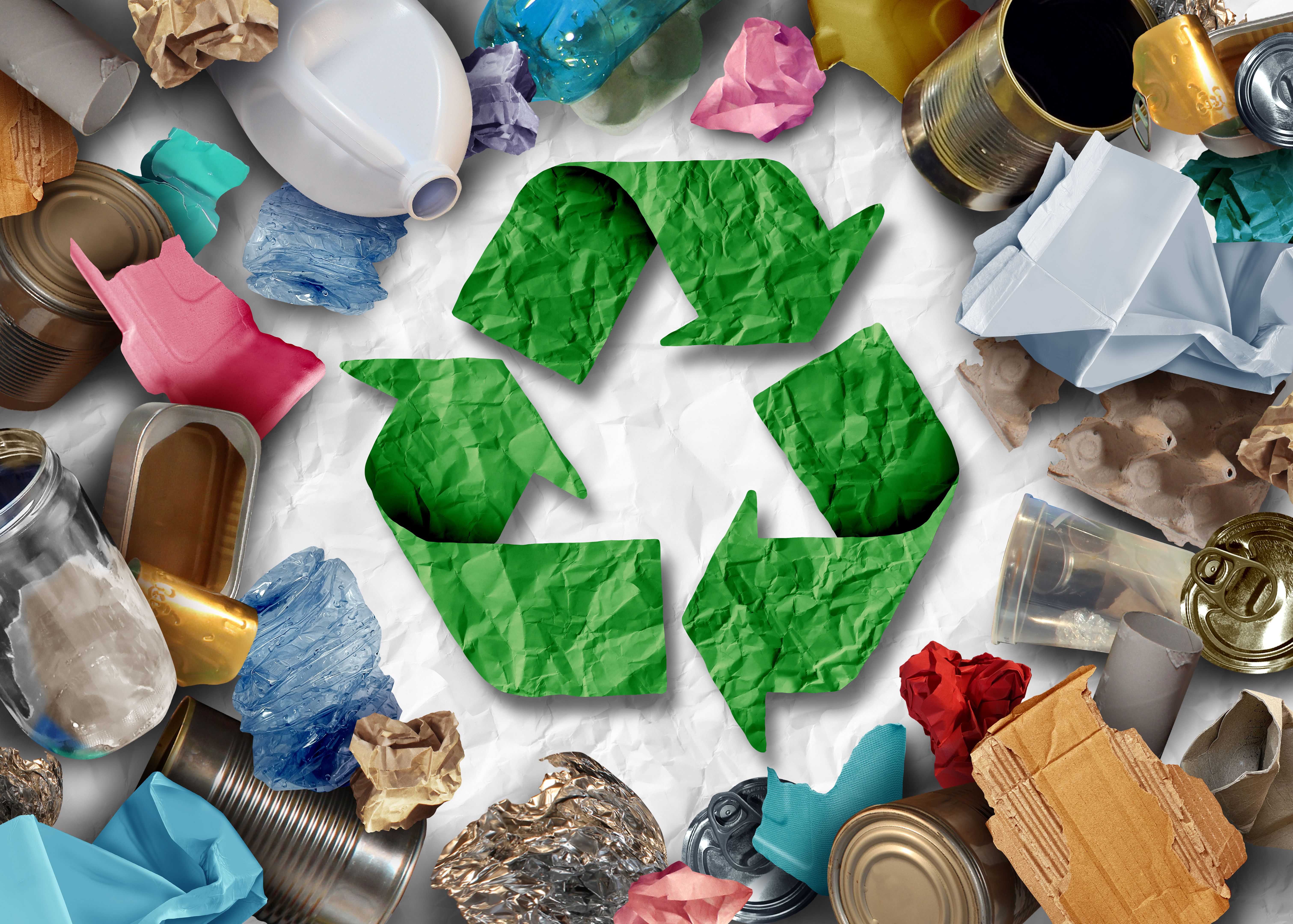
Recycling and upcycling are key components of sustainable waste management. By transforming waste materials into valuable products, communities can reduce landfill waste and create economic opportunities.
Embracing Technology and Innovation
Technology plays a crucial role in modernizing waste management solutions. Innovations such as waste-to-energy plants, smart recycling bins, and mobile apps for waste tracking are transforming how waste is managed.
These technologies not only improve efficiency but also provide new ways to engage the public in sustainable practices. The integration of technology in waste management is a promising step towards a more sustainable future.
Conclusion: A Collective Effort
Sustainable waste management in the Philippines requires a collective effort from the government, businesses, communities, and individuals. By embracing innovative solutions and encouraging active participation, the country can move towards a cleaner, greener future.