
The Ultimate Guide to Hazardous Waste Treatment Facilities in the Philippines


Understanding Hazardous Waste
Hazardous waste is any waste material that poses substantial or potential threats to public health or the environment. In the Philippines, the management and treatment of these wastes are crucial due to the potential risks they pose. Proper treatment facilities play a vital role in mitigating these dangers.
The country has been making strides in developing facilities that adhere to international standards, ensuring that hazardous waste is treated effectively and safely. Understanding the types of waste and the treatment processes is essential for businesses and individuals alike.
Types of Hazardous Waste
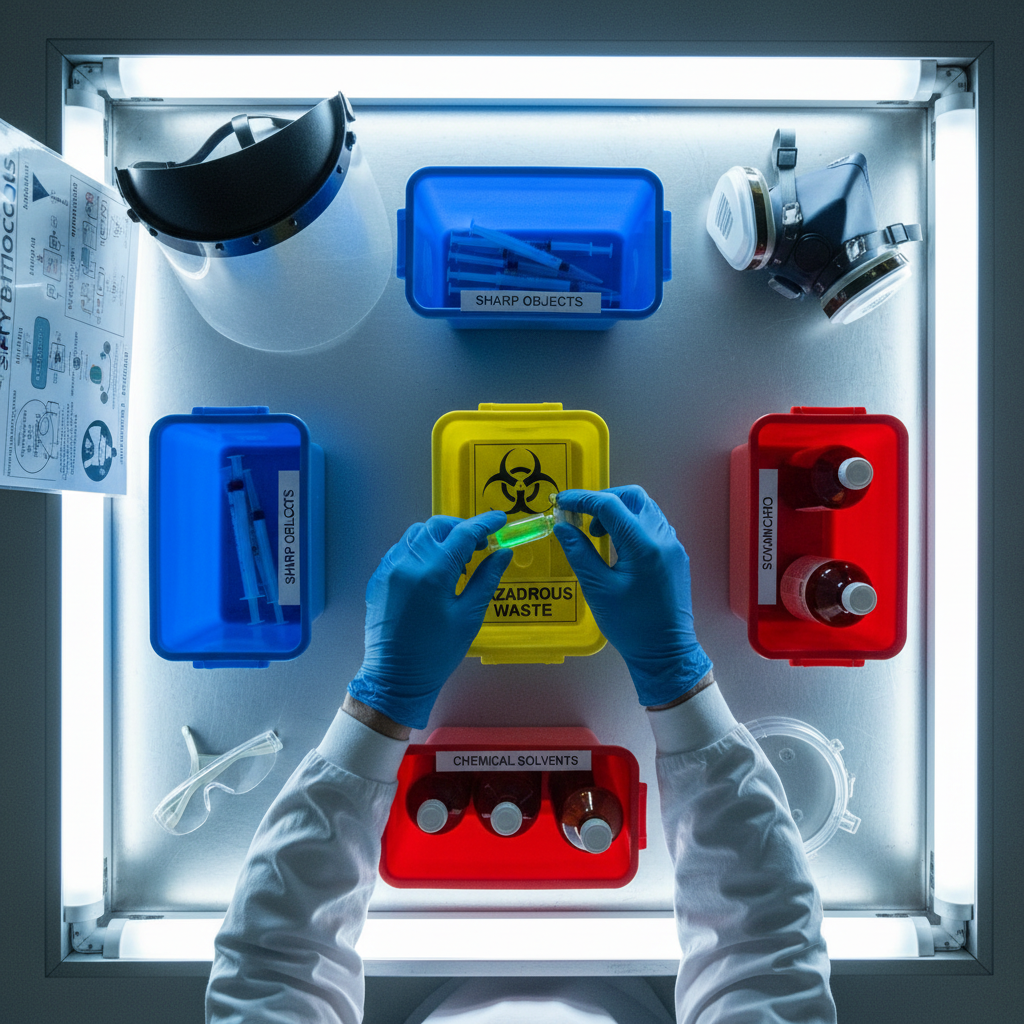
Hazardous waste is typically categorized into several types, each requiring specific treatment methods. The main categories include:
- Industrial Waste: Generated from manufacturing processes and often contains chemicals and heavy metals.
- Biomedical Waste: Originating from hospitals and clinics, including medical instruments and pharmaceuticals.
- Electronic Waste: Discarded electronic devices that may contain toxic substances like lead and mercury.
Regulatory Framework in the Philippines
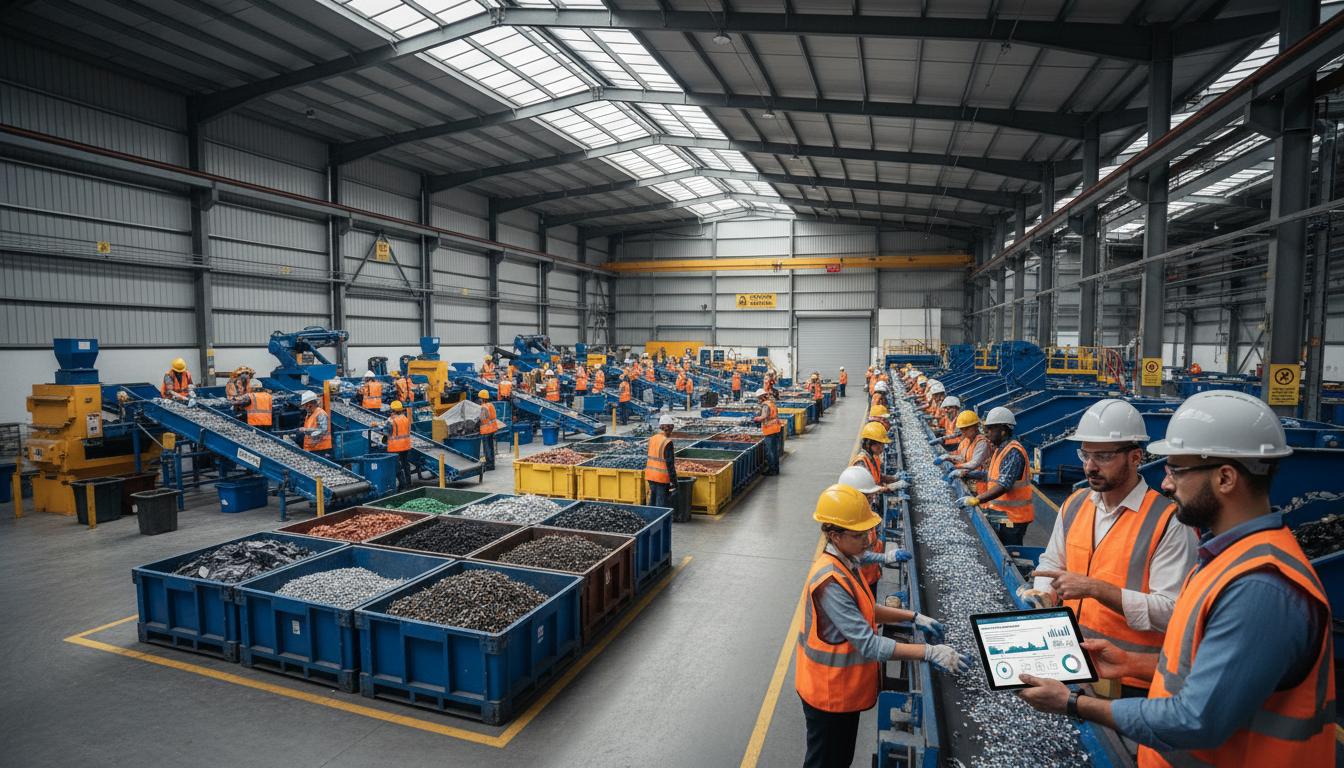
The Philippines has established a regulatory framework to govern the management of hazardous waste. The Department of Environment and Natural Resources (DENR) oversees the implementation of laws and guidelines, ensuring facilities operate within legal parameters. This framework is designed to protect both the environment and public health.
Environmental Compliance Certificate (ECC)
Facilities must obtain an Environmental Compliance Certificate (ECC) before operating. This certificate ensures that the facility complies with environmental regulations and is capable of safely treating hazardous waste.
Treatment Methods
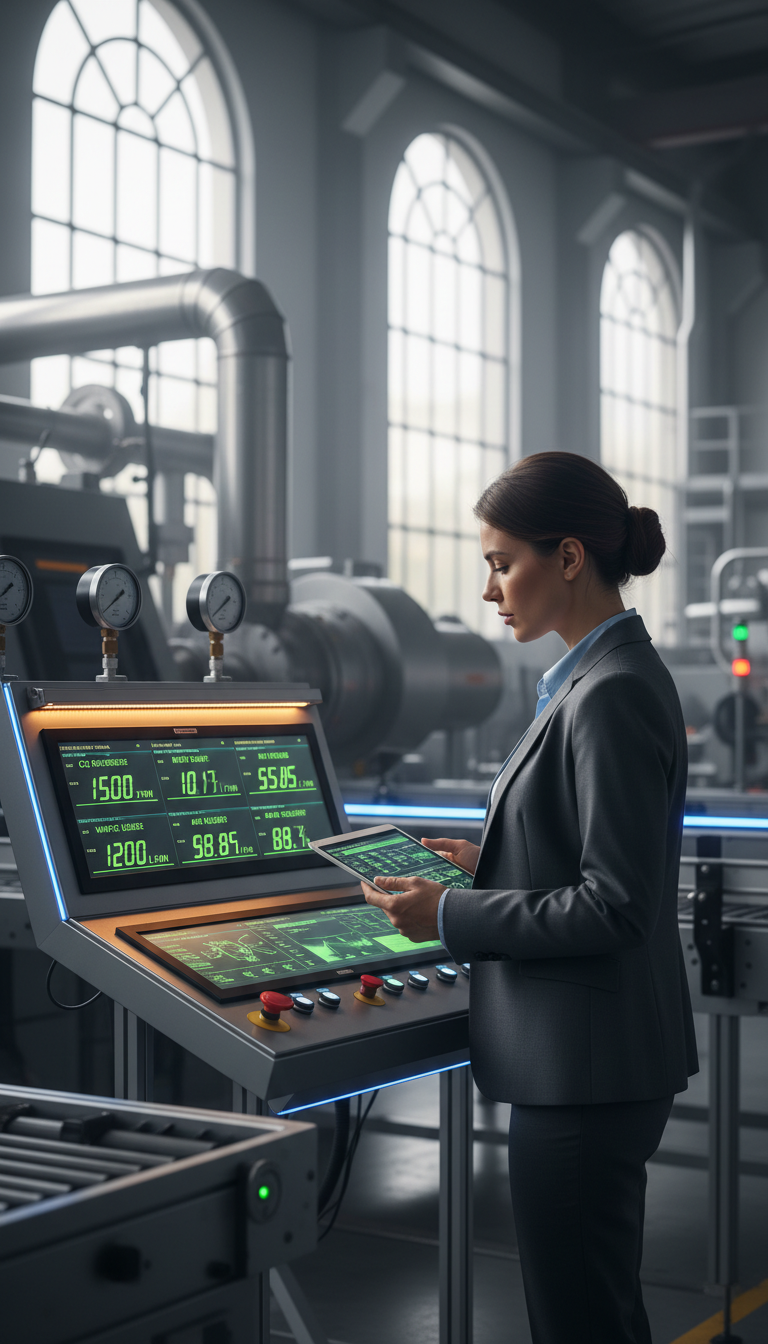
Various methods are employed by treatment facilities to manage hazardous waste. These methods include:
- Incineration: Burning waste at high temperatures to reduce its volume and toxicity.
- Chemical Treatment: Using chemical reactions to neutralize hazardous components.
- Biological Treatment: Employing microorganisms to break down waste materials.
Choosing the Right Facility
Selecting an appropriate hazardous waste treatment facility is crucial for effective waste management. Considerations include the facility’s capacity, technology used, and compliance with regulatory standards. Partnering with a facility that prioritizes sustainability and safety is beneficial for both businesses and the environment.
Moreover, it is advisable to conduct regular audits and inspections to ensure ongoing compliance and efficiency. By doing so, businesses can contribute to a safer and healthier environment.
Conclusion
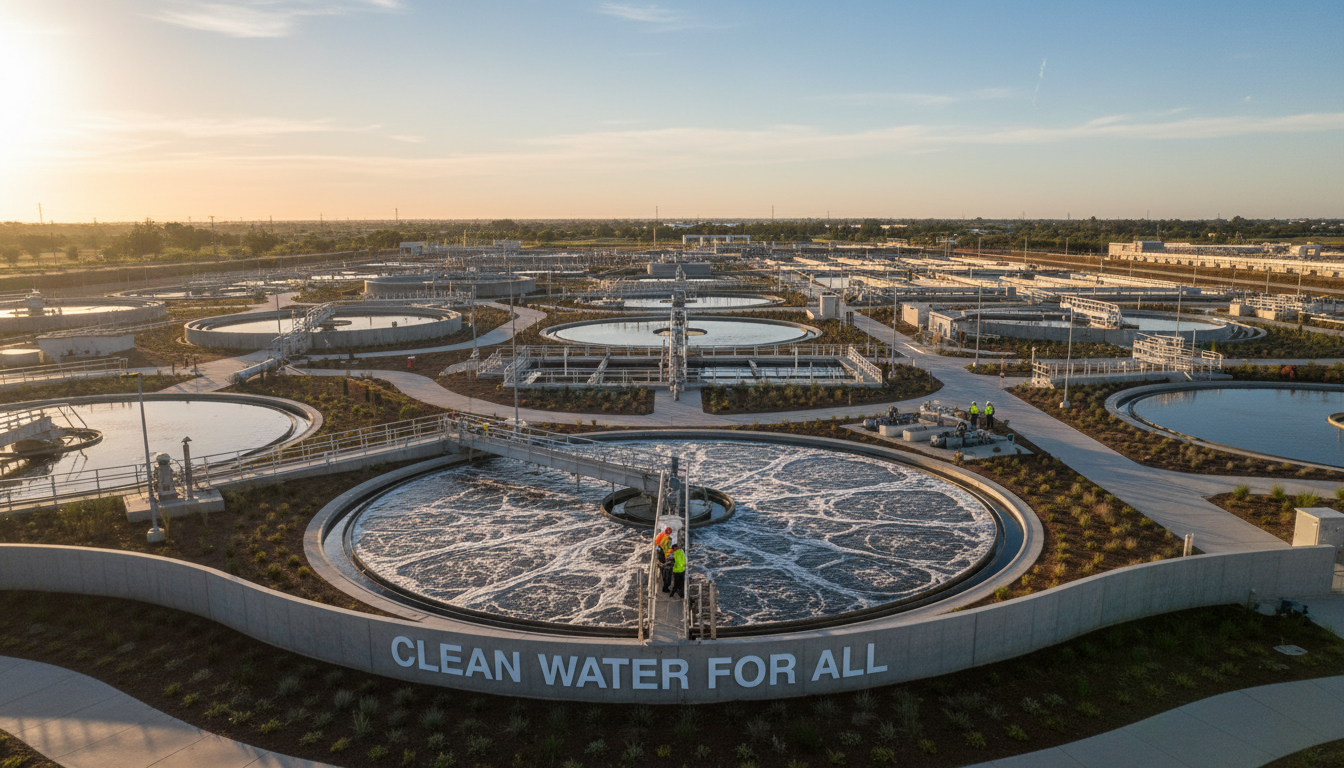
Hazardous waste treatment is a vital aspect of environmental protection in the Philippines. By understanding the types of waste, regulatory requirements, and treatment methods, stakeholders can make informed decisions that benefit both the environment and public health. As the country continues to develop its infrastructure for waste management, the role of treatment facilities remains essential in safeguarding the future.