The Role of Waste Trading in Promoting Circular Economy in the Philippines


Understanding Waste Trading
Waste trading involves the buying and selling of waste materials, transforming what was once considered useless into valuable resources. This practice plays a crucial role in the circular economy by ensuring that materials are reused and recycled, reducing the need for new raw materials.
In the Philippines, waste trading is gaining momentum as an effective strategy for managing waste and promoting sustainability. The country is exploring innovative ways to integrate waste trading into its economic framework, encouraging businesses and communities to participate.

Benefits of Waste Trading
One of the primary benefits of waste trading is the reduction of landfill waste. By diverting waste materials to be reused or recycled, the pressure on landfills decreases, helping alleviate environmental concerns associated with waste disposal.
Moreover, waste trading can stimulate economic growth by creating jobs in the recycling and manufacturing industries. This not only supports local economies but also enhances the overall productivity of the nation.
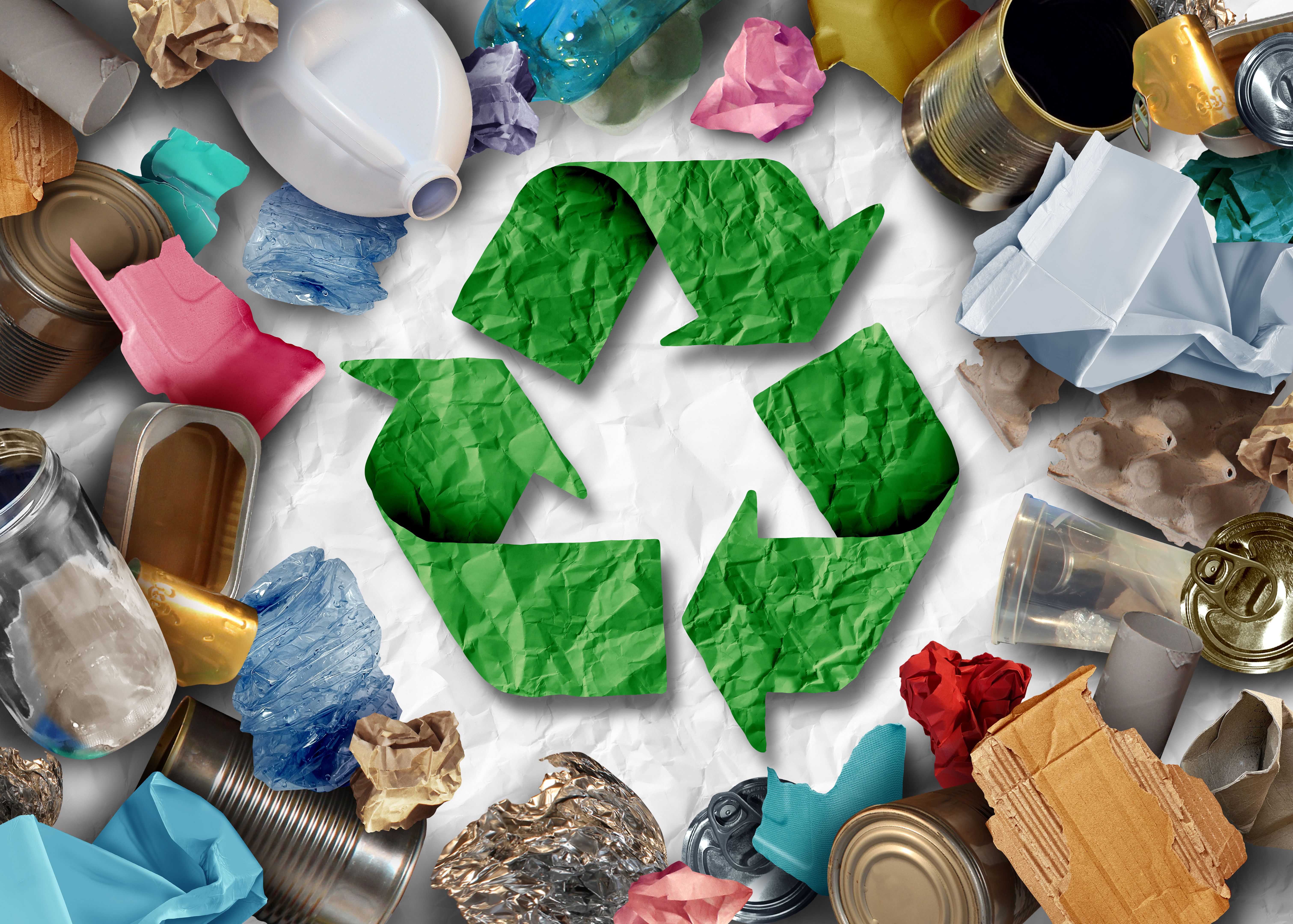
Environmental Impact
The environmental benefits of waste trading are significant. By reducing the need for raw materials, the practice decreases the carbon footprint associated with manufacturing processes. Additionally, it helps conserve natural resources, contributing to a more sustainable future.
Communities in the Philippines are increasingly aware of these benefits, prompting a shift in mindset towards more environmentally-friendly practices. This awareness is crucial for the long-term success of waste trading initiatives.
Challenges in the Philippines
Despite its potential, waste trading in the Philippines faces several challenges. A lack of infrastructure and technology can hinder the effective implementation of waste trading practices. Additionally, there is often insufficient awareness and education on the benefits and processes involved.
To overcome these challenges, the government and private sectors must collaborate to invest in the necessary infrastructure and educate the public on the importance of waste trading.
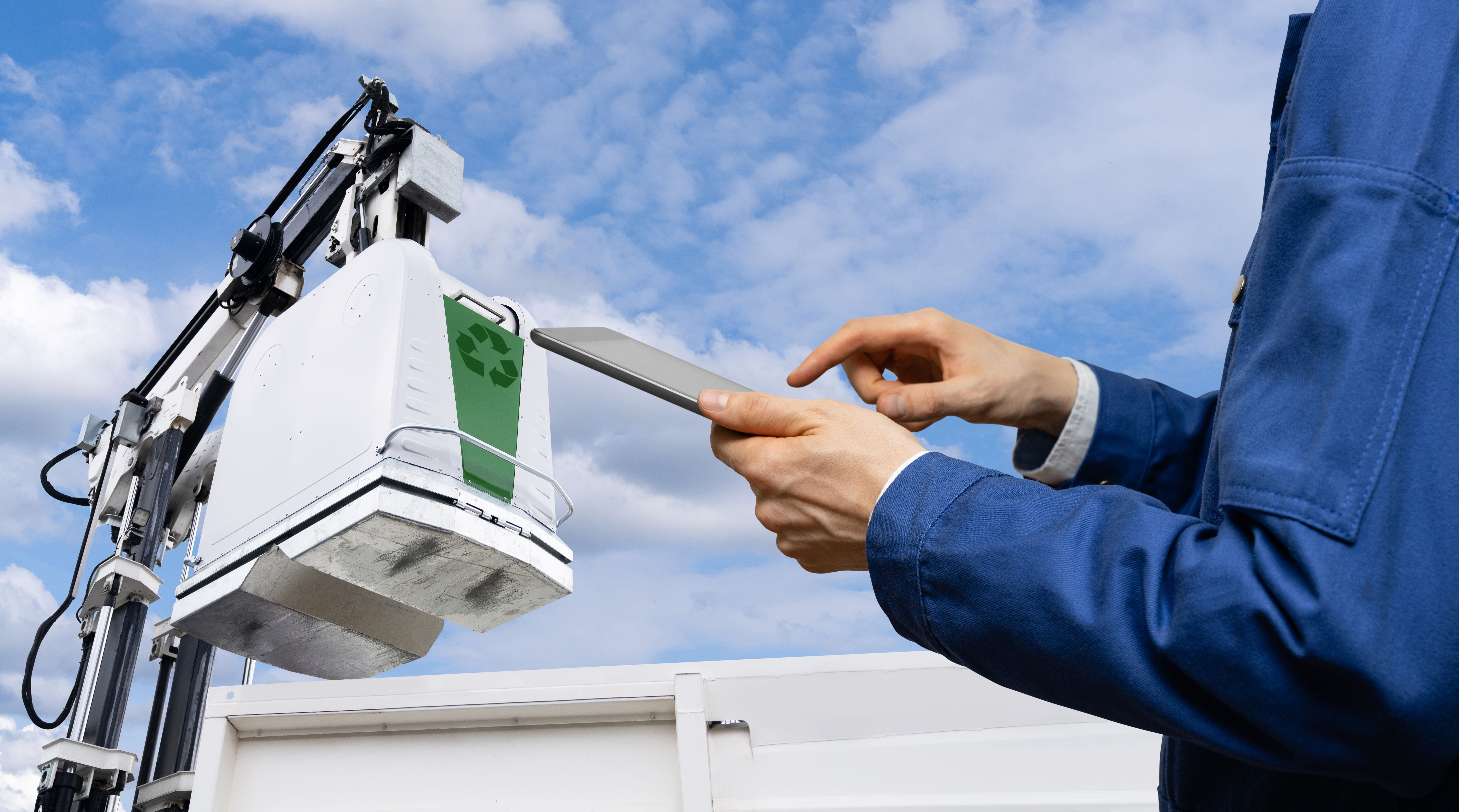
Future Prospects
Looking ahead, the prospects for waste trading in the Philippines are promising. By fostering partnerships between various stakeholders, the nation can build a more resilient and sustainable economy. Encouraging innovation and technology adoption will be key to this progress.
Moreover, policies and incentives that support waste trading can further enhance its adoption, driving the Philippines towards a more circular economy.
Conclusion
Waste trading is a vital component of promoting a circular economy in the Philippines. By turning waste into valuable resources, the country can achieve significant environmental and economic benefits. However, addressing existing challenges and fostering collaboration among stakeholders will be essential to realizing its full potential.
As the Philippines continues to embrace waste trading, it sets a precedent for other nations seeking sustainable solutions to waste management. The journey towards a circular economy is ongoing, but the future looks bright with these initiatives paving the way.