
Seasonal Tips for Effective Waste Disposal in the Philippines


Understanding Seasonal Waste Disposal Challenges
In the Philippines, effective waste disposal varies across different seasons due to changes in weather and cultural practices. The wet and dry seasons each present unique challenges that require tailored solutions. Understanding these seasonal variations can help in managing waste more efficiently and sustainably.
During the wet season, increased rainfall can lead to flooding, which often exacerbates waste management issues by spreading litter and causing blockages in drainage systems. Conversely, the dry season can lead to an accumulation of waste, as the lack of rain slows down the natural decomposition process.
Wet Season Waste Management Tips
Prepare for Increased Rainfall
To mitigate the impact of heavy rains, ensure that all waste is securely contained. Use durable, waterproof bins with lids to prevent waste from being washed away or scattered. This helps maintain cleanliness and prevents environmental pollution.
Community Involvement
Organize community clean-up drives before the onset of the wet season. This proactive approach can help clear potential blockages in drainage systems caused by accumulated debris. Encouraging communal efforts not only enhances the local environment but also fosters community spirit.

Dry Season Waste Management Tips
Composting Organic Waste
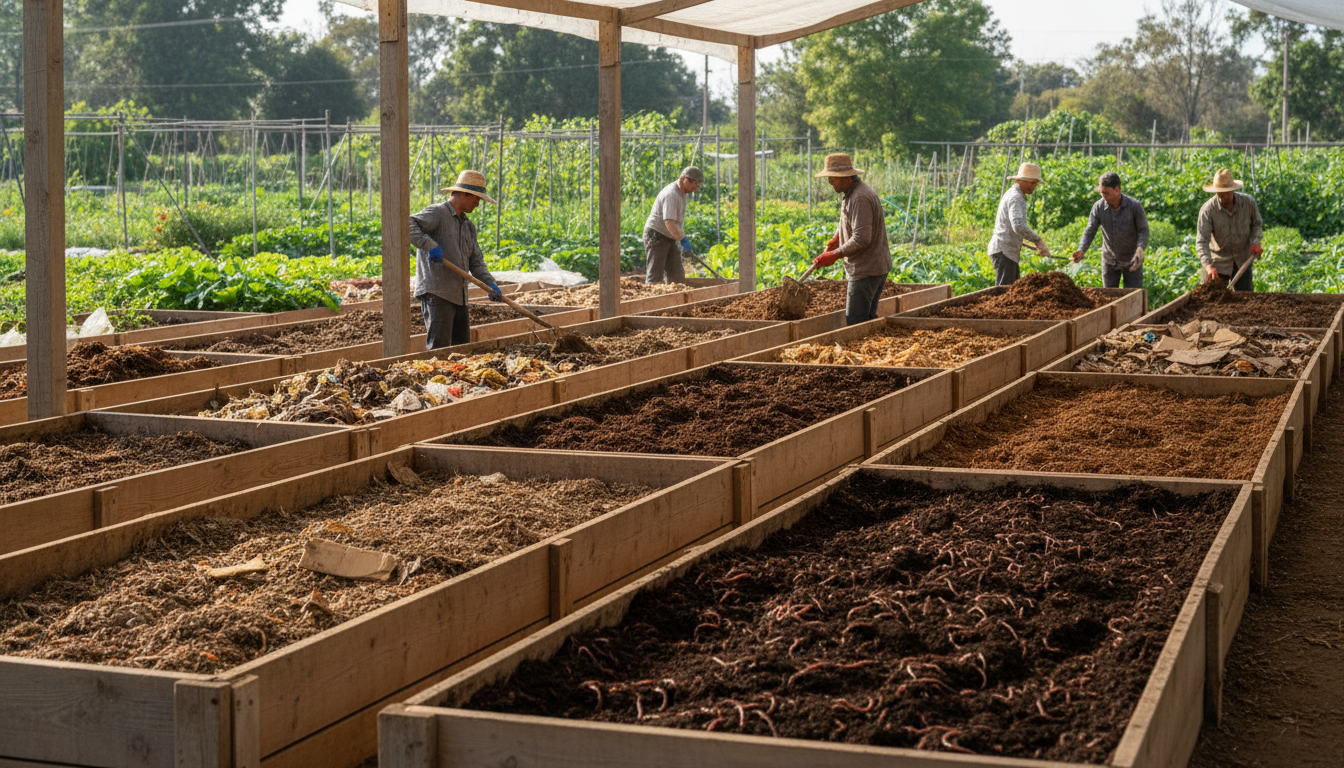
The dry season is an ideal time for composting organic waste. With less moisture in the air, composting can be more efficient, and the process helps reduce the amount of waste sent to landfills. Encourage households to separate organic waste and start small composting projects.
Reduce and Reuse
Emphasize the importance of reducing and reusing materials. Encourage the use of reusable containers, bags, and other items to minimize the generation of waste. Educational campaigns highlighting the benefits of waste reduction can be particularly effective during this period.
Year-Round Waste Disposal Strategies
Segregation at Source
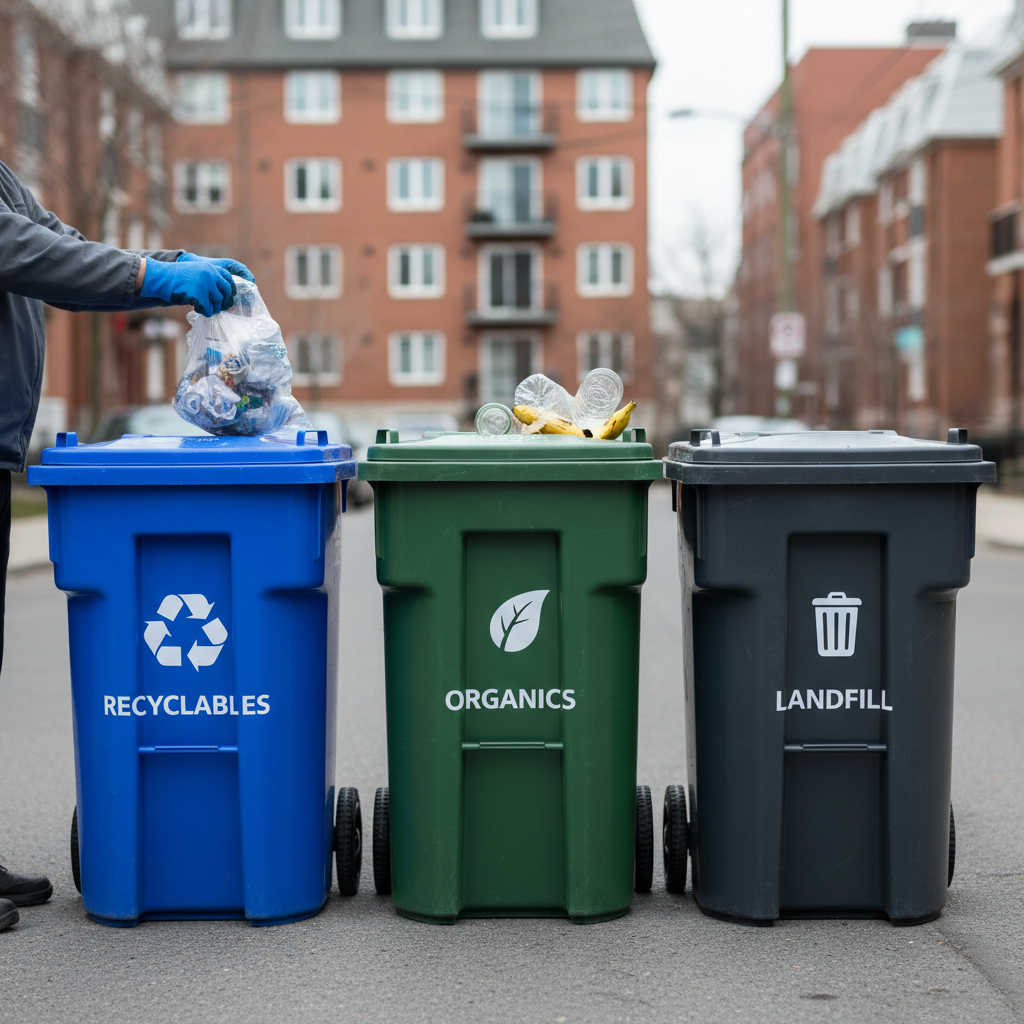
Implementing waste segregation at the source is crucial for effective waste management. Encourage households to separate waste into categories such as biodegradable, recyclable, and non-recyclable. This practice simplifies waste processing and enhances recycling efforts.
Partner with Local Governments
Collaborate with local government units to ensure efficient waste collection and disposal services. Local authorities can provide support through regular waste collection schedules and the provision of resources for waste management initiatives.
Conclusion
Effective waste disposal in the Philippines requires a proactive and adaptive approach that considers seasonal variations. By implementing tailored strategies during the wet and dry seasons, and maintaining consistent waste management practices year-round, communities can significantly reduce environmental impact and promote sustainability. Through collective efforts and informed practices, we can achieve a cleaner and greener Philippines.