
Essential Steps for Legal Compliance in Waste Disposal in the Philippines


Ensuring legal compliance in waste disposal is crucial for businesses operating in the Philippines. With the country's strict environmental laws, understanding and adhering to these regulations can help avoid costly penalties and contribute to a healthier environment.
Understanding Philippine Environmental Laws
The first step in achieving compliance is understanding the relevant environmental laws. The primary legislation governing waste management in the Philippines is the Republic Act No. 9003, or the Ecological Solid Waste Management Act of 2000. This act provides the framework for systematic, comprehensive, and ecological solid waste management.
Additionally, Republic Act No. 6969, known as the Toxic Substances and Hazardous and Nuclear Wastes Control Act, regulates the importation, manufacture, processing, handling, storage, transportation, and disposal of hazardous and nuclear wastes.

Implementing a Waste Management Plan
Developing a comprehensive waste management plan is essential. This plan should include strategies for waste reduction, segregation, recycling, and proper disposal. It should also outline the roles and responsibilities of employees in waste management processes.
Furthermore, businesses should conduct regular training sessions to educate employees on proper waste disposal techniques and the importance of compliance with environmental laws.
Waste Segregation and Reduction
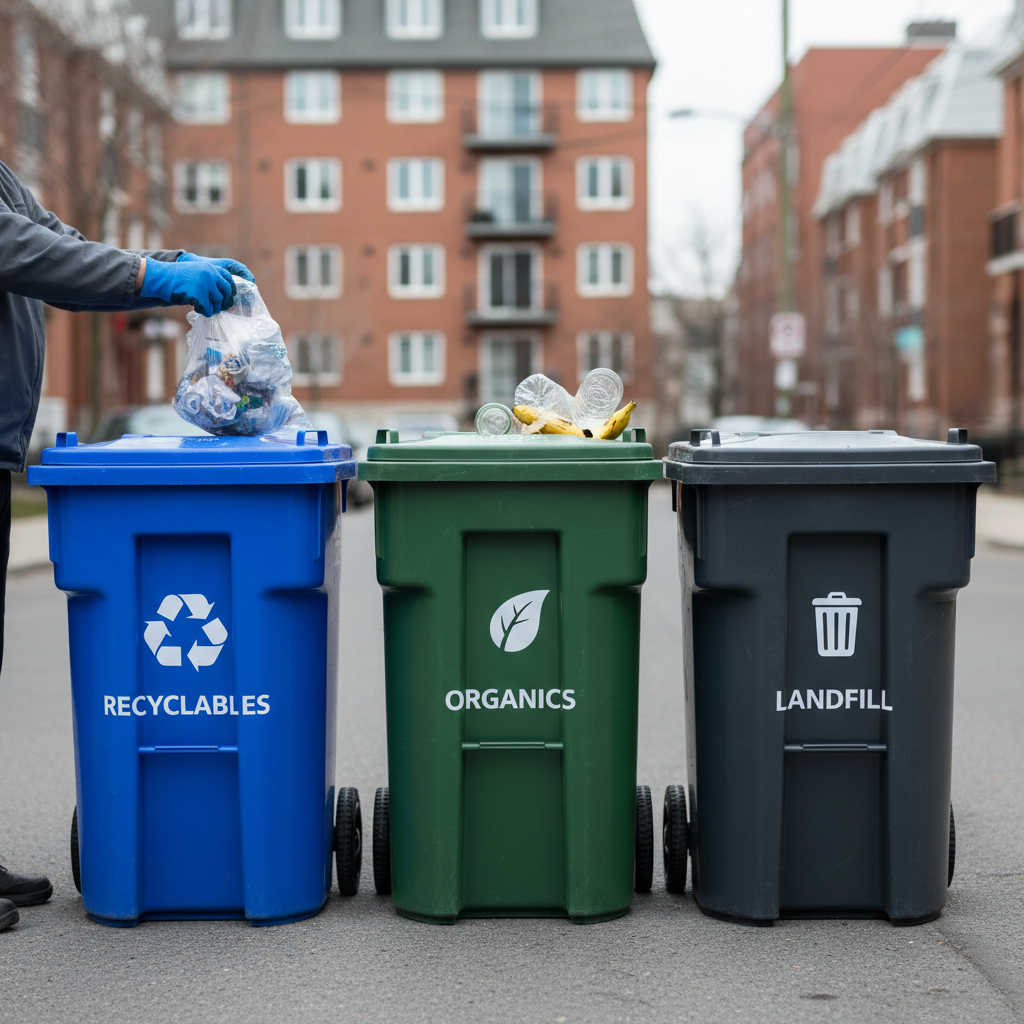
Segregating waste at the source is a critical component of an effective waste management plan. Businesses should categorize waste into biodegradable, recyclable, residual, and special waste. This practice not only aids in easier disposal but also promotes recycling efforts.
Partnering with Accredited Waste Disposal Services
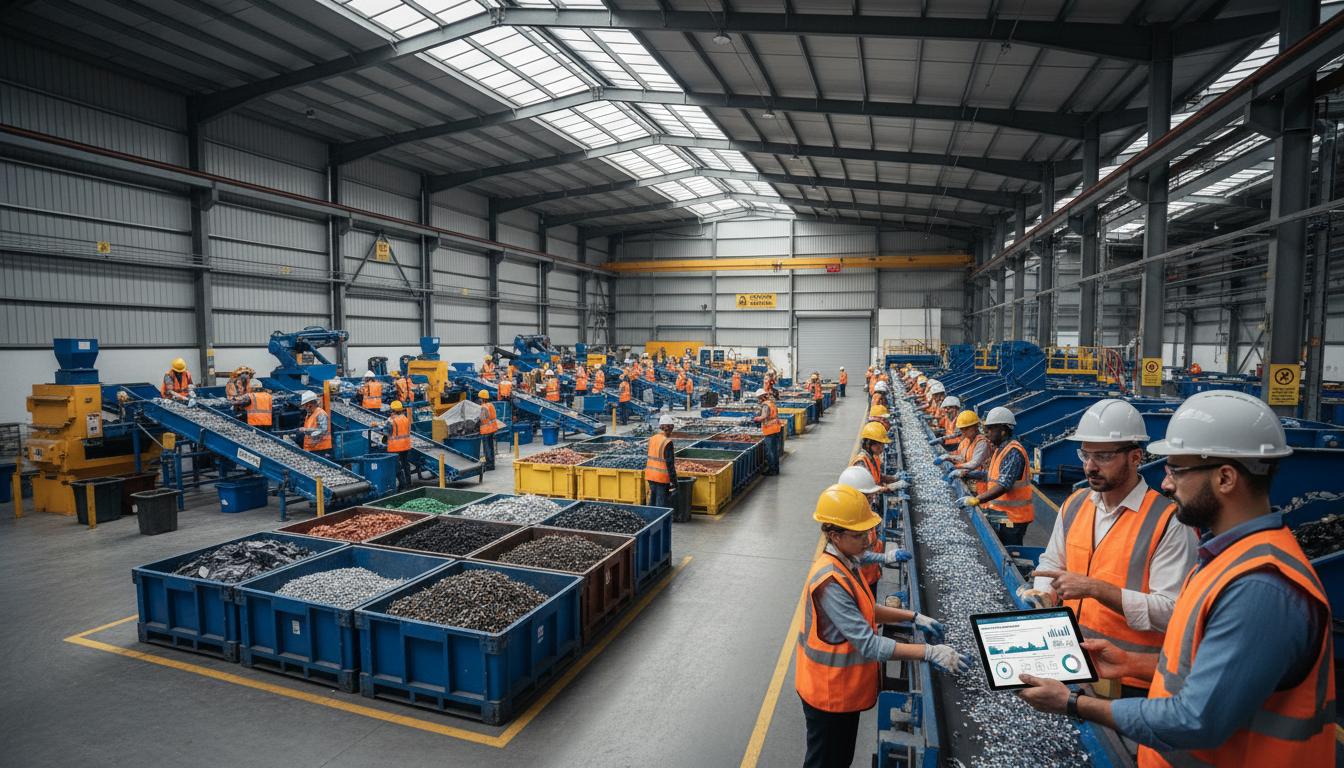
Engaging with accredited waste disposal services is another essential step. These services are equipped with the necessary permits and expertise to handle various types of waste safely and in compliance with the law. Choosing a reputable service provider ensures that waste is disposed of in an environmentally friendly manner.
Monitoring and Auditing
Regular monitoring and auditing of waste management practices can help identify areas for improvement and ensure ongoing compliance. Businesses should conduct periodic reviews of their waste disposal processes and adjust strategies as needed to align with current regulations.
Staying Updated with Regulatory Changes
Environmental laws and regulations can change frequently. It's vital for businesses to stay informed about any updates or amendments to ensure continued compliance. Subscribing to government bulletins or working with environmental consultants can help keep your business updated on these changes.
By following these essential steps, businesses in the Philippines can achieve legal compliance in waste disposal, thereby contributing positively to environmental sustainability and avoiding potential legal issues.