
Comprehensive Guide to Environmental Compliance Solutions in the Philippines


Understanding Environmental Compliance in the Philippines
The Philippines has a rich biodiversity that requires careful stewardship to ensure its preservation. As businesses grow, so does their environmental footprint. To address this, the government has established a framework for environmental compliance. Understanding these regulations is crucial for businesses operating in the country.
The Department of Environment and Natural Resources (DENR) is the primary regulatory body overseeing environmental compliance. They implement policies aimed at sustainable development and environmental protection. Businesses must navigate these regulations to avoid penalties and contribute positively to the environment.

The Importance of Environmental Compliance
Environmental compliance is not just about adhering to laws—it's about sustaining the natural resources for future generations. By complying with environmental regulations, businesses help reduce pollution, conserve natural habitats, and promote sustainable practices. This not only benefits the environment but also enhances a company's reputation and credibility.
Failure to comply with these regulations can lead to severe consequences, including hefty fines, legal action, and reputational damage. Therefore, understanding and implementing compliance solutions is not only a legal obligation but also a strategic business decision.
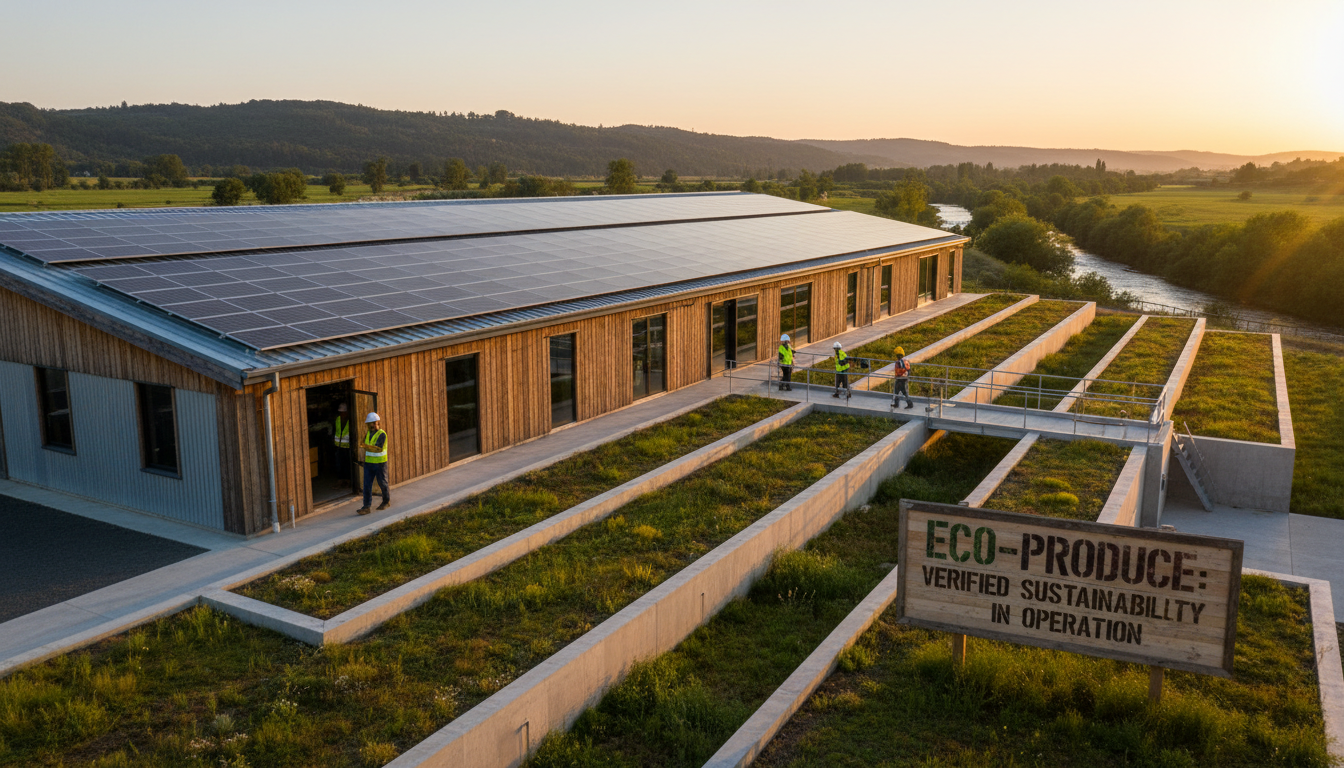
Key Environmental Regulations
Several key regulations guide environmental compliance in the Philippines. These include the Clean Air Act, Clean Water Act, and the Ecological Solid Waste Management Act. Each law addresses specific environmental concerns and sets guidelines that businesses must follow.
- The Clean Air Act focuses on reducing air pollution and ensuring air quality.
- The Clean Water Act aims to protect and preserve the country's water resources.
- The Ecological Solid Waste Management Act promotes proper waste segregation and disposal.

Implementing Compliance Solutions
Implementing effective environmental compliance solutions involves several steps. First, businesses should conduct an environmental audit to assess their current impact. This helps identify areas for improvement and ensures adherence to regulatory requirements.
Next, developing a comprehensive environmental management plan is crucial. This plan should outline strategies for reducing emissions, managing waste, and conserving resources. Training employees and promoting an eco-friendly culture within the organization are also essential components of successful compliance solutions.

Leveraging Technology for Compliance
With the advancement of technology, businesses can leverage various tools to enhance their compliance efforts. Environmental management software provides real-time monitoring and data analytics to track environmental impact. This enables proactive decision-making and ensures ongoing compliance with regulations.
Additionally, investing in renewable energy sources and energy-efficient technologies can significantly reduce a company's environmental footprint. These investments not only help in achieving compliance but also reduce operational costs in the long run.

Conclusion
Environmental compliance in the Philippines is a critical aspect of sustainable business operations. By understanding and implementing effective compliance solutions, businesses can play a pivotal role in preserving the environment. This commitment not only fulfills legal obligations but also fosters a positive public image and supports long-term success.
As the global focus on sustainability continues to grow, businesses in the Philippines have the opportunity to lead by example. Embracing environmental compliance is not just a necessity; it is a pathway to building a better future for all.