
Comprehensive Guide to Environmental Compliance Solutions in the Philippines


Understanding Environmental Compliance in the Philippines
Environmental compliance in the Philippines is a critical aspect for businesses and organizations aiming to operate sustainably. Understanding the complexities of local regulations can be daunting, but it's essential for preserving the country's natural resources and ensuring legal operations. Compliance involves adhering to various laws, standards, and guidelines set by government agencies.
In the Philippines, the Department of Environment and Natural Resources (DENR) is the primary agency responsible for enforcing environmental laws. They oversee several key areas, including air and water quality, waste management, and biodiversity protection. Businesses must be aware of these regulations to avoid penalties and contribute to the nation’s environmental conservation efforts.

Key Environmental Regulations
Several important laws govern environmental compliance in the Philippines. Among them is the Clean Air Act, which aims to maintain air quality and impose limits on emissions. Another crucial legislation is the Clean Water Act, focusing on protecting water bodies from pollution.
Additionally, the Ecological Solid Waste Management Act mandates proper waste management procedures, promoting recycling and responsible disposal. Understanding these laws is vital for businesses to align their operations with national environmental goals.
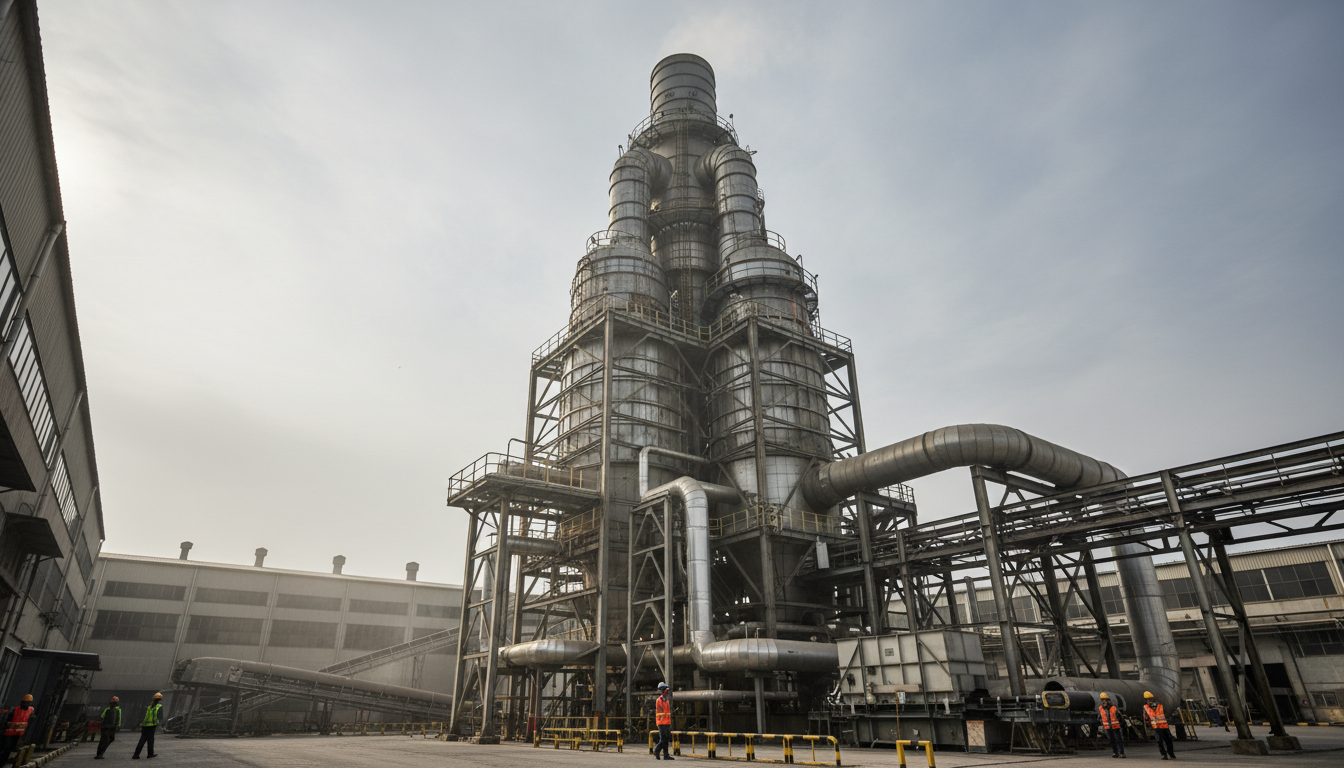
Steps to Achieve Compliance
To achieve compliance, businesses should undertake a systematic approach. Here are some key steps:
- Conduct Environmental Impact Assessments: Evaluate how operations affect the environment and identify areas for improvement.
- Develop a Compliance Plan: Outline strategies and actions to meet regulatory requirements.
- Regular Monitoring and Reporting: Keep track of environmental performance and report findings to relevant authorities.
Benefits of Environmental Compliance
Beyond avoiding legal penalties, complying with environmental regulations offers numerous benefits. Businesses can enhance their reputation, gain customer trust, and even achieve cost savings through efficient resource use. Moreover, companies that prioritize sustainability often experience increased investment opportunities.
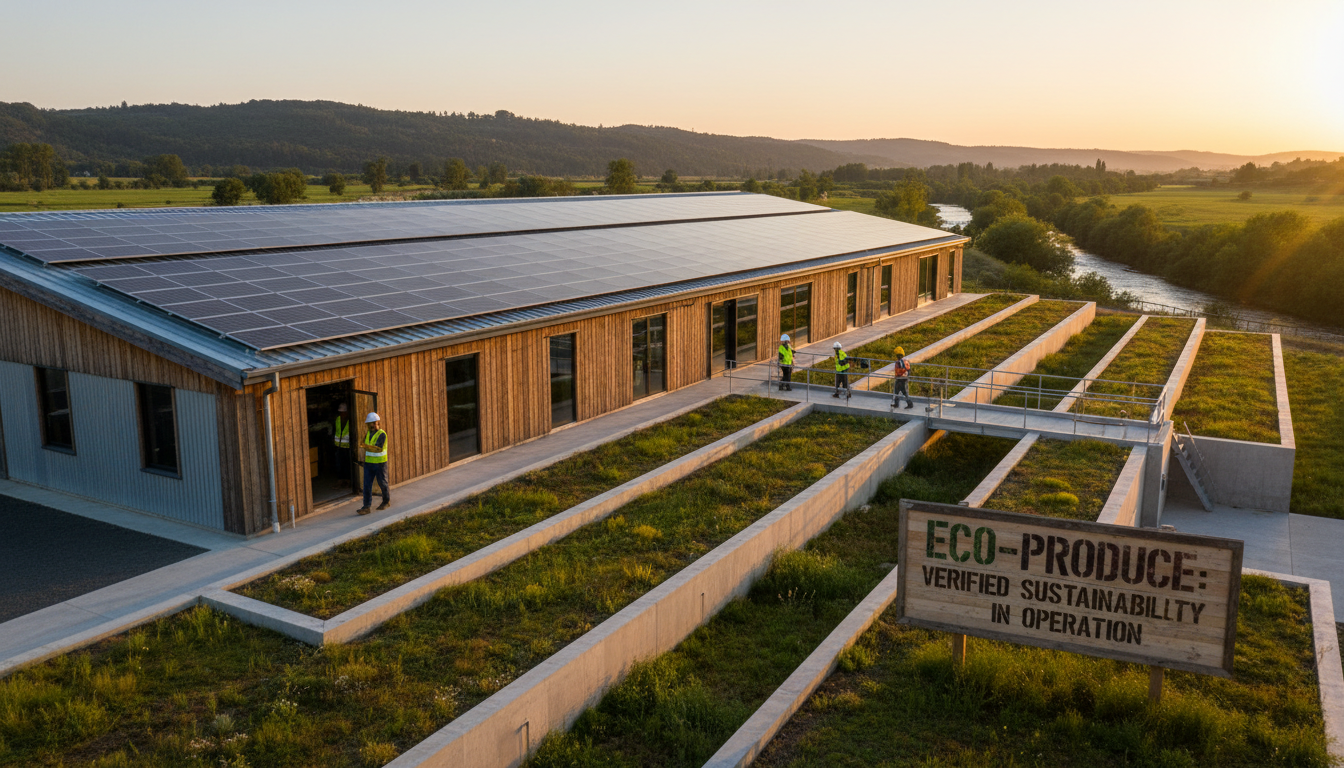
Environmental compliance can also foster innovation. By adopting eco-friendly practices, businesses can develop new products and services that meet the growing demand for sustainability. This not only contributes to environmental protection but also opens new market opportunities.
Challenges and Solutions
Despite the benefits, achieving compliance can present challenges. Common obstacles include the complexity of regulations, financial constraints, and lack of expertise. However, these can be addressed through strategic planning and collaboration with experts.
Engaging with environmental consultants and leveraging technology for monitoring and reporting can simplify the compliance process. Additionally, training programs can help employees understand and implement environmental practices effectively.

Conclusion
Environmental compliance in the Philippines is not just a legal obligation but an opportunity for businesses to contribute positively to the planet. By understanding the regulations and implementing strategic solutions, companies can ensure their operations are sustainable and successful. Embracing these practices will lead to a healthier environment and a thriving economy.